Source IP67 Pneumatic Palletizer for Logistics, Food, and Pharma
Source 30 verified IP67 pneumatic palletizer units from Chinese manufacturers. Compare specifications including 4-axis and 6-axis models, load capacities up to 1200kg, and applications in pharmaceutical, logistics, and food and beverage sectors; compare the available evidence and request quotations based on your requirements.
Key considerations
Products List


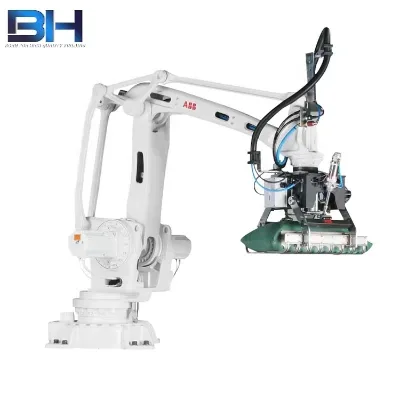


Factory-Direct High Quality Palletizing Pick and Place Robot Palletizer System
$60000.00 - $80000.00
Moq: 1


Comprehensive Sourcing Guide
IP67 Pneumatic Palletizer Sourcing Guide
Selecting the right automated handling equipment requires a clear understanding of how environmental ratings and drive mechanisms intersect with operational throughput. An IP67 pneumatic palletizer combines dust-tight sealing with temporary water immersion resistance, making it suitable for harsh industrial environments where standard electric robots might fail. Buyers must evaluate whether the pneumatic drive mode aligns with their facility’s compressed air infrastructure, as this choice directly impacts maintenance cycles and energy efficiency. The observed market data indicates a wide variance in pricing and specifications, suggesting that buyers should not assume all listed units meet the same rigorous environmental or performance standards.
Procurement teams need to distinguish between marketing claims and verified technical attributes when evaluating these machines. The available data shows models ranging from simple 4-axis configurations to complex 6-axis vertical joint systems, each serving different loading and packaging needs. It is critical to verify the actual air source requirements, such as the observed 0.6-0.8MPa range, to ensure compatibility with existing plant utilities. Furthermore, the distinction between electric and pneumatic drive modes affects the maximum portable weight and degrees of freedom, which are key factors in determining the machine’s versatility for picking, placing, and palletizing tasks in dynamic production lines.
Product Scope and Observed Listing Signals
The current market listings reveal a diverse array of robotic palletizers, with observed prices ranging from $1,648 to $100,000, reflecting significant differences in capacity, brand, and configuration. Many suppliers offer customization options, allowing buyers to tailor the machine to specific production line layouts or product types. The observed minimum order quantity is consistently one unit, indicating that these systems are typically sold as individual capital equipment rather than bulk commodities. This single-unit MOQ structure allows for pilot testing and phased implementation, which is beneficial for facilities looking to automate specific bottlenecks without overcommitting resources initially.
Product models vary widely, including references to KUKA, ABB, and other generic designations, which suggests a mix of branded and OEM-manufactured units. Some listings specify a weight of 1000kg, while others indicate standard packaging volumes like 8CBM or specific weights like 30kg and 1050kg, highlighting the need for careful logistics planning. The application scope extends beyond simple loading to include pharmaceutical, logistics, food and beverage, automotive, and electronics sectors. Buyers should scrutinize the specific model numbers, such as KR120 R3200 or CP180L-A, to understand the exact payload capacity and reach, as these parameters dictate the machine’s suitability for their specific product dimensions and pallet patterns.
Technical Specifications to Verify
When evaluating technical specifications, buyers must prioritize the drive mode and control system to ensure operational reliability. The observed data highlights both pneumatic and electric drive modes, with some units offering continuous path control for smooth, uninterrupted operation. It is essential to verify the air consumption rates, such as the observed 0.8m3/Hour, to calculate ongoing operational costs and ensure the facility’s compressor system can support the demand without pressure drops. Additionally, the degrees of freedom, ranging from 4-axis to 6-axis configurations, determine the machine’s flexibility in handling complex palletizing patterns and varying product shapes.
Payload capacity and axis configuration are critical for matching the machine to the production line’s throughput requirements. Some listings indicate a load capacity of 180kg or a max portable weight of 220kg, which must be compared against the heaviest item in the product mix. The automatic grade is consistently listed as automatic, but buyers should confirm the integration capabilities with existing PLCs or SCADA systems. Furthermore, the power capacity, observed at 2.0kVA for some electric models, must be factored into the electrical infrastructure assessment. Verifying these technical details prevents costly mismatches between the robot’s capabilities and the actual production demands.
Compliance and Safety Documentation
Compliance with international safety and quality standards is non-negotiable for industrial automation equipment. The observed listings frequently mention ISO and CE certifications, which are essential for ensuring that the machine meets European safety directives and international quality management benchmarks. Buyers should request valid certification documents and verify their authenticity with the issuing bodies, as counterfeit certificates are a risk in the global supply chain. The presence of these certifications often indicates that the manufacturer adheres to rigorous design and manufacturing processes, reducing the risk of mechanical failure or safety hazards during operation.
Beyond formal certifications, buyers must ensure that the equipment complies with local workplace safety regulations, particularly regarding emergency stops, light curtains, and guarding. The IP67 rating itself implies a level of environmental protection that contributes to safety in wet or dusty conditions, but it does not replace the need for proper machine guarding. Documentation should also include detailed operation manuals, maintenance schedules, and troubleshooting guides. Buyers should verify that the supplier provides comprehensive safety data sheets and that the machine’s design includes clear labeling of hazardous areas and control points, ensuring that operators can interact with the equipment safely.
Cost Drivers and Commercial Terms
Understanding the cost drivers behind pneumatic palletizers helps buyers negotiate better commercial terms and avoid hidden expenses. The wide price range observed, from $1,648 to $100,000, is influenced by factors such as brand reputation, payload capacity, degrees of freedom, and the level of customization required. Buyers should request detailed breakdowns of costs, including the base machine price, software licenses, integration fees, and shipping costs. The observed packing methods, such as wooden cases, add to the logistics cost and must be considered when calculating the total landed cost of the equipment.
Warranty and after-sales service are critical components of the commercial agreement that can significantly impact long-term value. The observed warranty periods vary, with some listings offering one year and others specifying 24-hour after-sales service. Buyers should negotiate for extended warranty coverage and clear terms for spare parts availability. It is also important to clarify the scope of the after-sales service, including whether it covers on-site installation, training, and routine maintenance. Understanding these commercial terms helps buyers assess the total cost of ownership and ensures that they have the support needed to maintain high uptime and productivity.
Supplier Qualification and Quality Control
Supplier qualification is a vital step in mitigating procurement risk, especially when dealing with complex automation equipment. Buyers should conduct thorough due diligence on potential suppliers, verifying their business licenses, manufacturing capabilities, and financial stability. The observed origin locations, such as Feicheng, Taian, Shandong, and general China origins, provide context but do not guarantee quality. Buyers should request factory audit reports or third-party verification to ensure that the supplier adheres to good manufacturing practices and has robust quality control processes in place.
Quality control measures should extend beyond the final inspection to include material verification and component sourcing. Buyers should inquire about the brands of key components, such as servomotors, controllers, and pneumatic valves, as these affect the machine’s reliability and lifespan. The observed customization options suggest that suppliers may modify standard designs, which requires careful oversight to ensure that changes do not compromise safety or performance. Establishing clear quality acceptance criteria and inspection protocols before production begins helps prevent disputes and ensures that the delivered machine meets the specified technical requirements.
Long-Term Procurement Checks
Long-term procurement success depends on establishing a framework for ongoing performance monitoring and supplier relationship management. Buyers should implement regular maintenance schedules and track key performance indicators, such as uptime, cycle time, and error rates, to assess the machine’s efficiency over time. The observed one-year warranty period is a baseline, but buyers should plan for long-term maintenance contracts and spare parts inventory to minimize downtime. Regular audits of the machine’s condition and software updates are essential to maintain optimal performance and adapt to changing production needs.
Supplier relationship management is equally important for ensuring continued support and access to upgrades. Buyers should maintain open communication with the supplier to address any issues promptly and to discuss potential improvements or expansions. The observed 24-hour after-sales service and provided warranty support are positive indicators, but buyers should verify the responsiveness and technical competence of the support team. By fostering a collaborative partnership, buyers can leverage the supplier’s expertise for troubleshooting, optimization, and future automation projects, ensuring a sustainable and efficient procurement strategy.
FAQs
What is the drive mode for the ip67 pneumatic palletizer?
The drive mode is pneumatic, utilizing an air source between 0.6 and 0.8MPa for operation. This system consumes approximately 0.8 cubic meters of air per hour. It is designed for loading applications and operates as a new unit with continuous path control capabilities.
Which certifications do these ip67 pneumatic palletizers hold?
These units hold ISO and CE certifications to ensure compliance with international safety and quality standards. The equipment is manufactured in China and meets specific industrial requirements. Buyers can verify these certifications when sourcing new machines for their production lines.
Can the ip67 pneumatic palletizer be customized for specific needs?
Yes, customization is available to meet specific operational requirements. The standard weight is 1000kg, and the product is packed in a wooden case. Buyers can request tailored specifications while ensuring the machine remains new and ready for immediate deployment in their facility.
What warranty and after-sales service are provided for this equipment?
A one-year warranty is provided along with 24-hour after-sales service support. This ensures that any technical issues are addressed promptly to minimize downtime. The service is designed to maintain operational efficiency for the pneumatic palletizer throughout its lifecycle.
How many axes does the ip67 pneumatic palletizer feature?
The unit features four axes for precise movement and control. Some models may offer six degrees of freedom for more complex tasks like picking and placing. This configuration supports applications in pharmaceutical, logistics, and automotive sectors effectively.
What is the maximum portable weight capacity of the system?
The maximum portable weight capacity is 220kg for specific models. Other variants may support loads up to 180kg or 1200kg depending on the configuration. This flexibility allows the machine to handle various packaging and palletizing tasks efficiently.
Where is the ip67 pneumatic palletizer manufactured and shipped from?
The equipment is manufactured in China, with specific origins in Feicheng, Taian, Shandong. Products are shipped in wooden cases to ensure safe transport. This location allows for competitive pricing while maintaining high manufacturing standards for industrial automation.